
Here’s the playbook on how Cisco’s flipping hardware decline into a software-and-services juggernaut—told in lean, no-BS bullets. Let’s go!
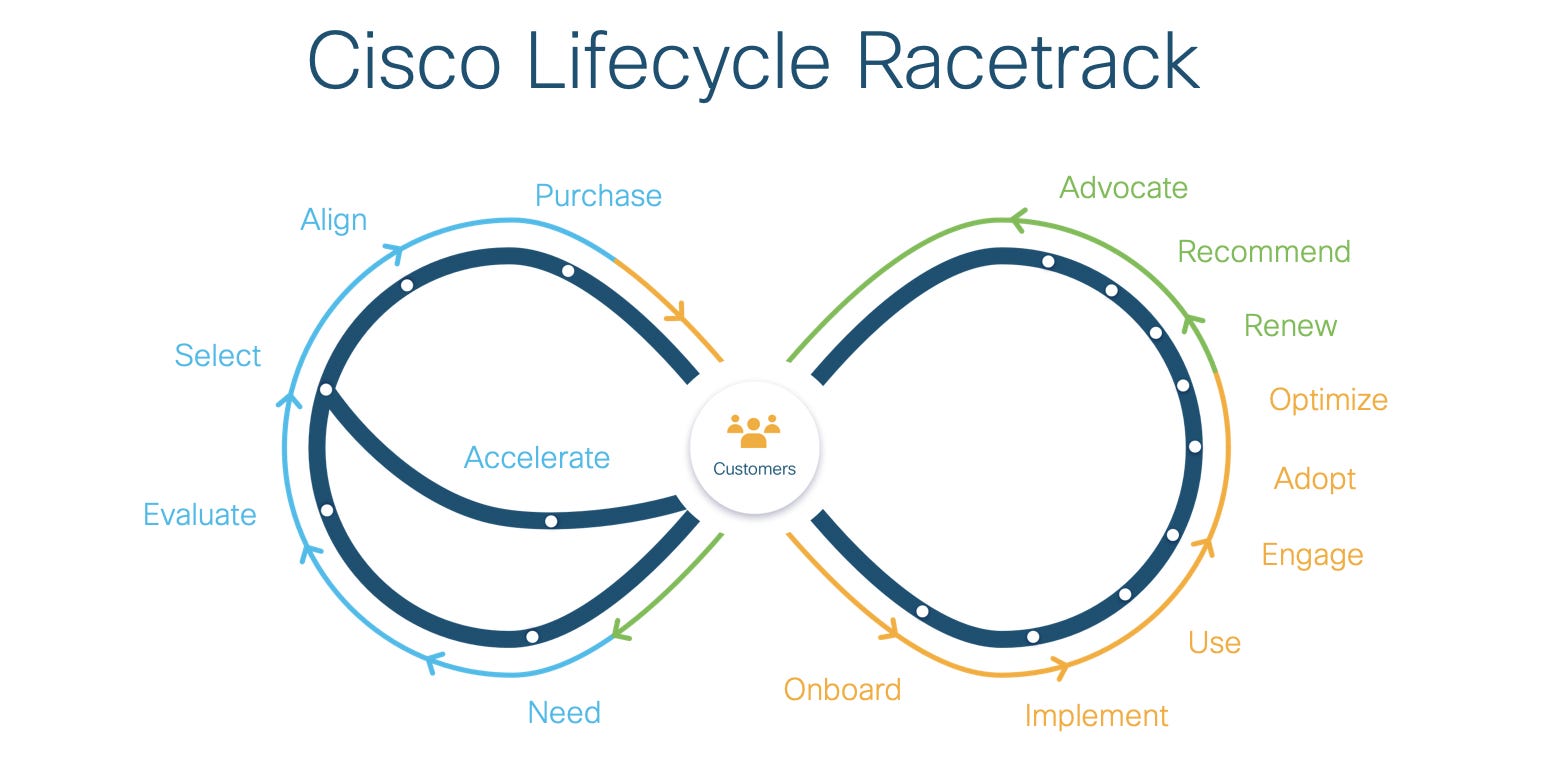
1. Legacy Networking: Holding the Fort
Context: Cisco’s switches and routers built the modern internet.
What’s happening: Growth is flat-to-down as companies migrate to cloud-native stacks and “white-box” gear.
Pressures:
Open-source network OS + merchant silicon undercut margins.
Hyperscalers (AWS, Google) build bespoke fabric.
Cisco’s move:
Bundle hardware with software licenses (DNA/Catalyst subscription).
Push on-prem customers toward enterprise agreements.
2. Software & Recurring Revenue: The Pivot
Context: Old-school box sales hit revenue cliffs; SaaS is sticky and predictable.
What’s happening: Cisco has shifted ~40% of revenue into subscriptions and support.
Pressures:
Upfront hardware sales don’t scale.
Customer budgets shifting to OPEX vs. CAPEX.
Cisco’s play:
Roll out Cisco ONE & Enterprise Agreements for cross-portfolio subscriptions.
Centralize management via Digital Network Architecture (DNA) to lock in renewals.
3. Security: The Growth Engine
Context: Every network needs security—edge firewalls, threat detection, cloud-native protection.
What’s happening: Security revenue is up 20–30% annually, outsized growth versus base.
Opportunities:
Zero-trust mandate—companies must authenticate everything.
XDR & cloud sandboxing require ongoing updates.
Cisco’s play:
Integrate Duo (MFA) + SecureX platform for unified visibility.
Lean into managed security services to package hardware, software, and monitoring.
4. Collaboration & Hybrid Work: Keeping Teams Connected
Context: Video, chat, whiteboards exploded with distributed work.
What’s happening: Webex suite adoption is rising—even as hardware phones decline.
Pressures:
Zoom/Teams grab share with freemium models.
Customers want integrated UX across devices.
Cisco’s play:
Pivot IP desk phone buyers toward Webex subscriptions and Spark Boards.
Embed AI features (transcription, noise removal) to differentiate.
5. M&A & Ecosystem: Filling Gaps Fast
Context: Building everything in-house is slow. Acq’ing startups accelerates innovation.
What’s happening: Cisco buys niche software specialists to bolt onto its platform.
Pressures:
Startups out-innovate incumbents in point solutions.
Customer expectations shift faster than giant product cycles.
Cisco’s play:
Acquire, then integrate: Viptela (SD-WAN), ThousandEyes (observability), Splunk-lite (security).
Dedicated 160-person integration team to absorb talent and ensure 80% retention.
6. IoT & 5G Infrastructure: Future Growth Waves
Context: Billions of new endpoints—from factories to smart cities—need networking DNA.
What’s happening: Cisco’s positioning itself as the backbone for 5G, edge compute, and IoT management.
Opportunities:
82 billion IoT endpoints by 2025.
Telcos & industrial players need managed network slices.
Cisco’s play:
Expand Catalyst portfolio with ruggedized, secure edge devices.
Monetize cloud management via Meraki and IoT Control Center subscriptions.
Strategy Takeaways
Defend core but don’t get stuck: Wrap hardware in sticky software bundles.
Build recurring engines: Push enterprise agreements, cloud-delivered services, licensing.
Own adjacent growth: Security, collaboration, IoT—all leverage existing install base.
Buy to accelerate: Fill gaps with targeted M&A, then unify under single-pane platforms.
Leverage scale: One million customers gives data insights to upsell and innovate faster.
Cisco’s no one-trick pony. It’s transforming its business model—slow turning, but once it’s moving, it’s nearly unstoppable.